Noticias

Drone technology in an era of global instability

The drone attacks reported across various global conflicts in recent weeks are a stark reminder of how unmanned systems have fundamentally redefined modern warfare. As we navigate this period of intense geopolitical instability, the role of autonomous technology in global security has never been more decisive. This volatile landscape highlights an inescapable priority: European technological […]

Drone technology in an era of global instability Read More »
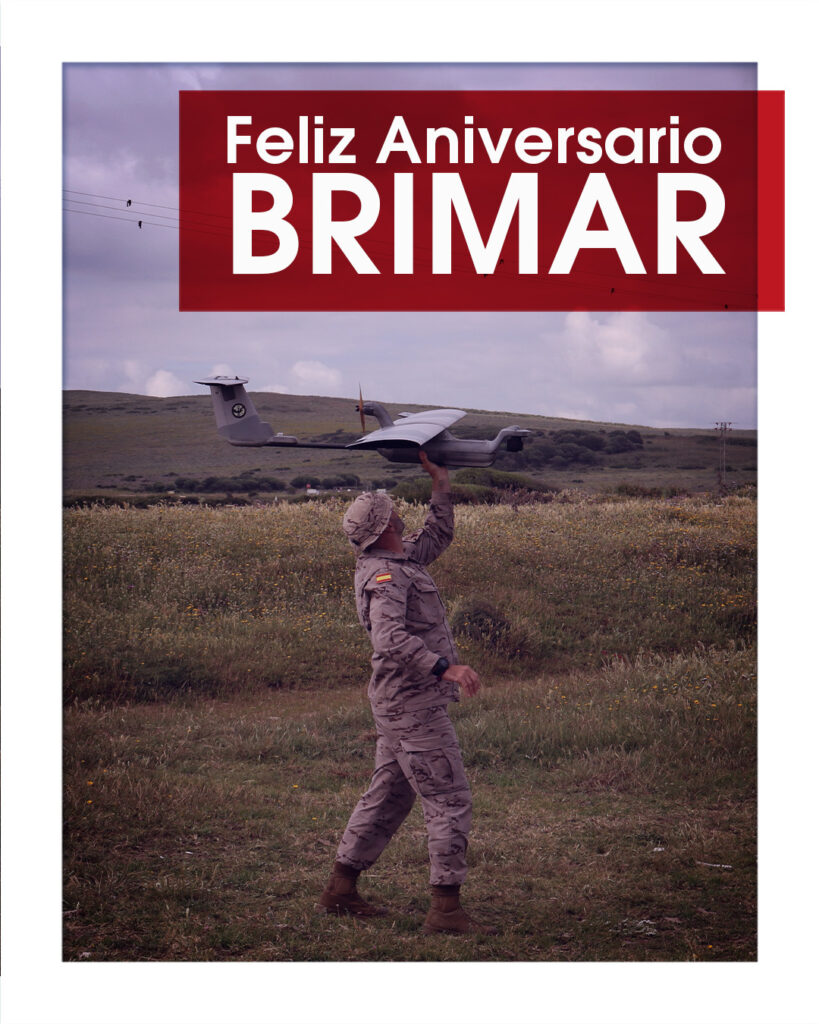
Hoy felicitamos a la Infantería de Marina (BRIMAR) en el aniversario de su creación. 

En Aurea Avionics, nos sentimos profundamente orgullosos de trabajar codo con codo con esta unidad de élite. A través de intensas pruebas de campo y jornadas de formación operativa, hemos integrado el Seeker UAS en sus capacidades de inteligencia, vigilancia y reconocimiento (ISR).  Gracias por vuestra confianza y por vuestro servicio. ¡Felicidades, compañeros! #InfanteríaDeMarina #BRIMAR

Hoy felicitamos a la Infantería de Marina (BRIMAR) en el aniversario de su creación.  Read More »

Europe strengthens its security against hidden threats.

The detection of mines and explosives (UXO/IED) is a top strategic priority for the European Union today. The goal is clear: protecting lives through intelligent, autonomous, and—above all—European technology. 🇪🇺 Through the GENIUS project (funded by the EDF), we are collaborating on the development of cutting-edge sensors and systems to neutralize these threats. At Aurea

Europe strengthens its security against hidden threats. Read More »

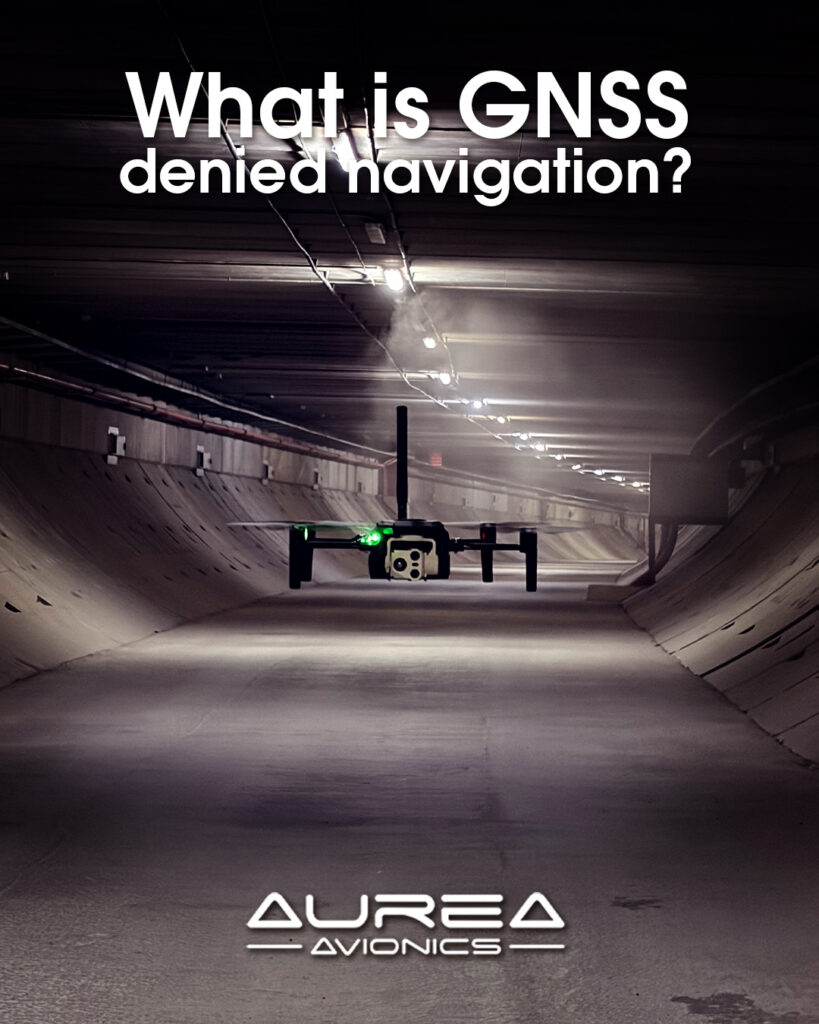
What is GNSS-denied navigation and why is it key to defense?

GNSS is vulnerable to jamming and interference. At Aurea Avionics, we ensure mission success through SLAM and vision-based navigation, allowing our UAS to “read” the terrain and calculate their position autonomously. Why it matters: 🔺Jamming Immunity: Operates despite intentional signal blocking. 🔺Indoor/Shadowed Flight: Navigate where GPS cannot reach. 🔺Operational Resilience: Guarantees autonomy in critical zones.

What is GNSS-denied navigation and why is it key to defense? Read More »

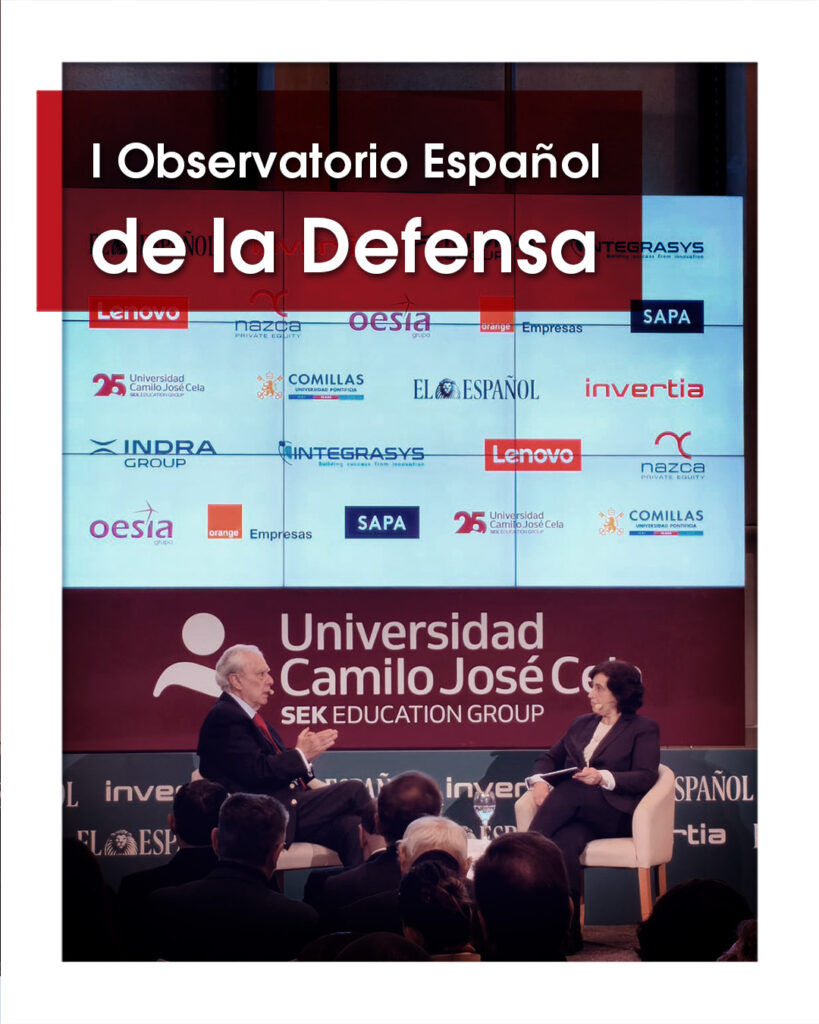
I Observatorio Español de la Defensa

Estos días hemos estado presentes en el I Observatorio de la Defensa, organizado por @El Español e Invertia. Un encuentro clave que ha reunido a los principales líderes del sector, autoridades y expertos para analizar los retos geopolíticos actuales y el papel de la industria española en la seguridad global. #ObservatorioDefensa #AureaAvionics #DefensaEspaña #SoberaníaTecnológica #Innovación

I Observatorio Español de la Defensa Read More »

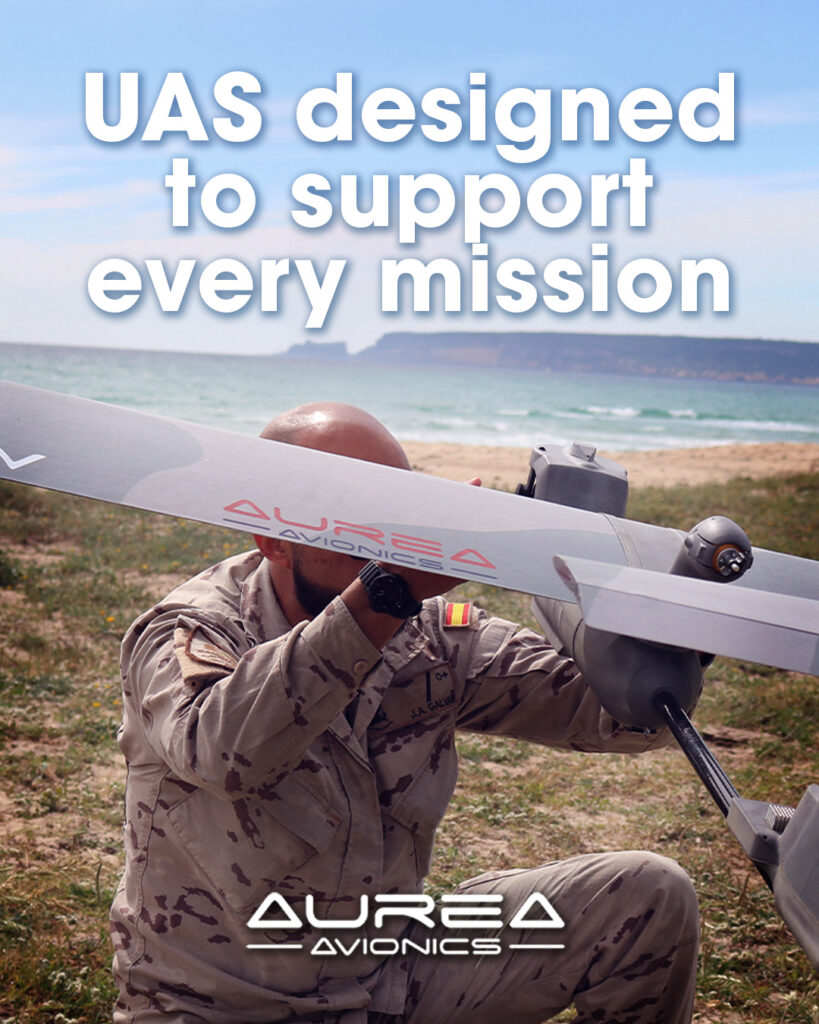
Aurea Avionics: UAS designed to support every mission

Our collaboration with the Spanish Armed Forces is built on a clear purpose: providing reliable, high-performance UAS that adapt to any scenario and strengthen operational effectiveness where it matters most. From surveillance and reconnaissance to target tracking, convoy protection or maritime operations, our systems are engineered to deliver ISR capabilities, autonomy and resilience in the

Aurea Avionics: UAS designed to support every mission Read More »

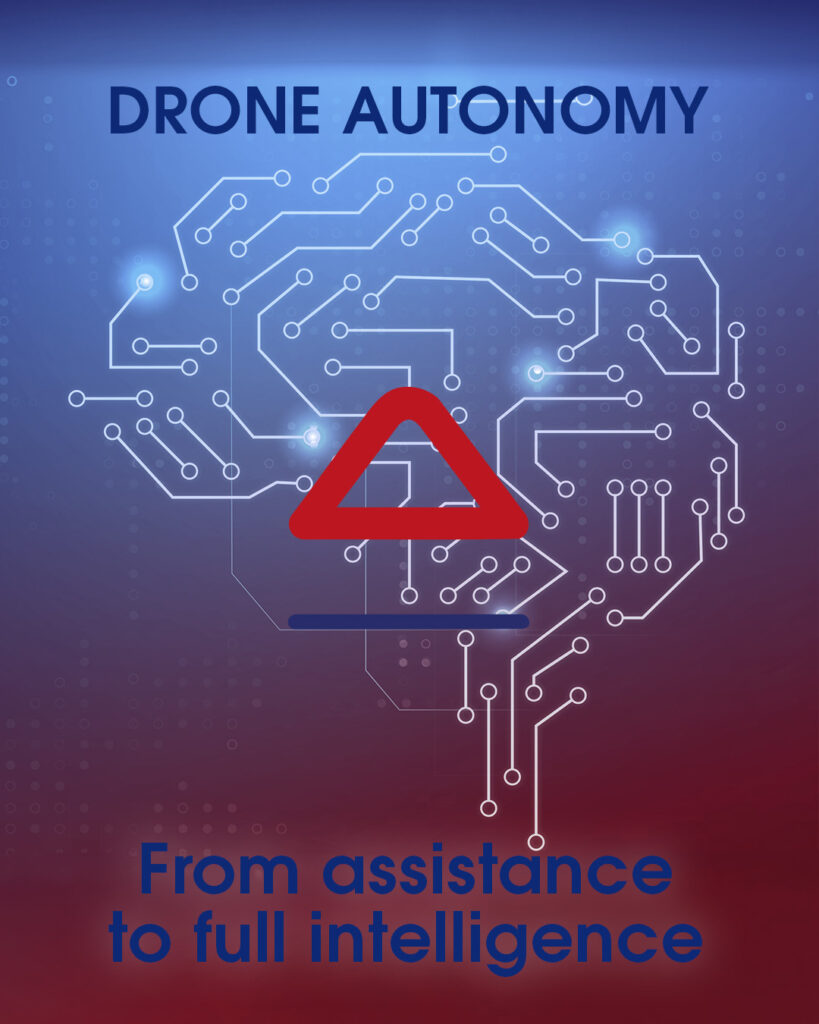
The future of drone autonomy: From assistance to full intelligence.

Today, many drones still require human input to complete missions, but artificial intelligence is changing that. At Aurea Avionics, we’re developing UAS with advanced algorithms that enable them to make decisions in dynamic environments without constant intervention. #AureaAvionics #Autonomy #UAS #IA #DefenceTechnology 

The future of drone autonomy: From assistance to full intelligence. Read More »

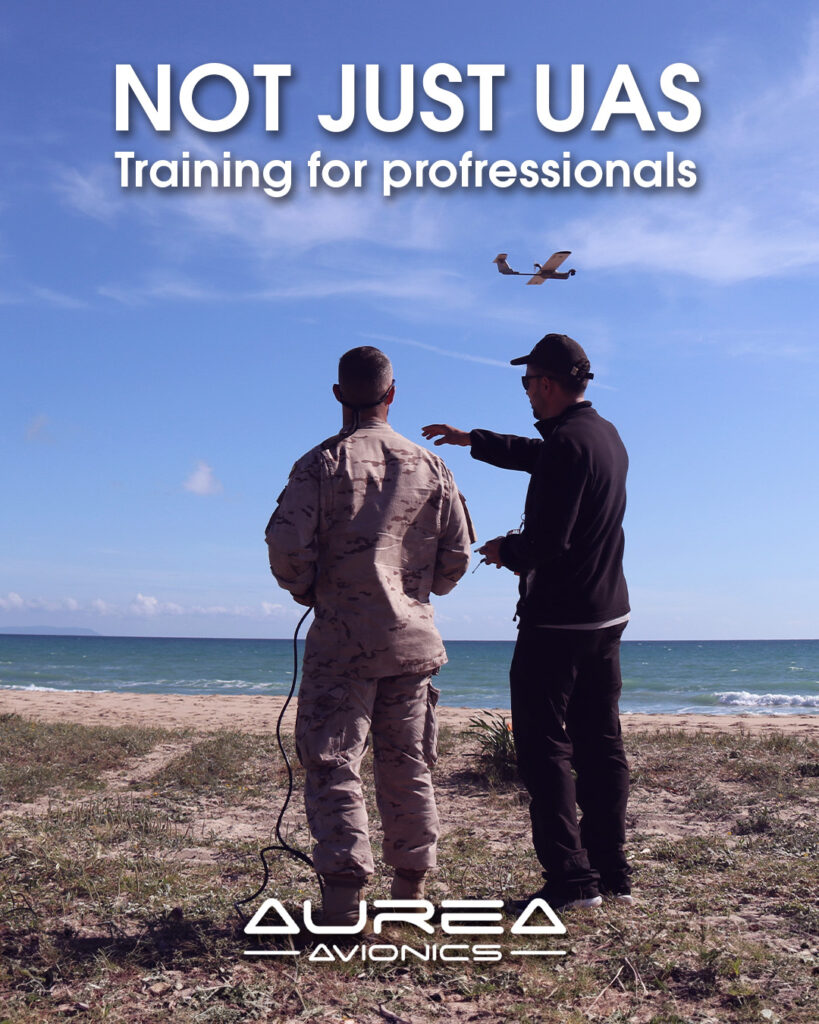
Not just UAS. We also train the people who operate them.

At Aurea Avionics, we don’t just design and manufacture next-generation unmanned systems — we also train the professionals who make them fly. Through courses and workshops for technicians and pilots, and custom training programs tailored to the operational needs of each unit. Because technology reaches its full potential only when combined with the skill and

Not just UAS. We also train the people who operate them. Read More »

Scroll to Top